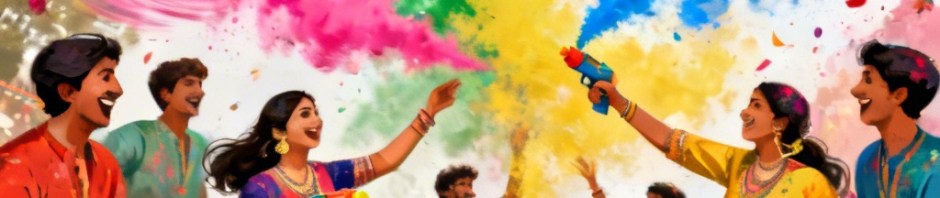
Every spring, as winter retreats and new life blooms across India, something magical happens. Streets transform into vibrant canvases. Strangers become friends. Enemies embrace. The air fills with laughter, music, and the sweet aroma of traditional sweets. This is Holi—the festival of colors, love, and renewal.
But have you ever wondered where this spectacular celebration originated? Or why, despite its enduring popularity, many feel that Holi has lost something essential along the way?
Let’s journey back in time, explore the rich traditions that once defined this festival, and understand what we may be losing in our modern pursuit of celebration.
The Ancient Roots: Where It All Began
Holi isn’t just a festival—it’s a narrative that’s been passed down for thousands of years, embedded in mythology, philosophy, and the seasonal rhythms of Indian civilisation.
The Legend of Holika and Prahlad
The most celebrated legend behind Holi traces back to ancient Hindu scriptures, particularly the Bhagavata Purana. Picture this: A powerful demon king named Hiranya kashyap rules the cosmos, so arrogant that he believes himself invincible. His son, Prahlad, is different—devoted entirely to Lord Vishnu despite his father’s tyranny.
Enraged by his son’s unwavering faith, Hiranya kashyap devises cruel punishments. Yet Prahlad survives every torment through his devotion. In desperation, the demon king enlists his sister, Holika—a demoness immune to fire—to carry Prahlad into blazing flames. But here’s where divine justice intervenes: Prahlad emerges unburned while Holika perishes in the fire.
This triumph of good over evil, righteousness over tyranny, faith over fear—is the beating heart of Holi. The festival commemorates not just a mythological victory, but a universal truth: that devotion and goodness ultimately triumph over malice.
The Spring Connection: Celebrating Renewal
Beyond mythology, Holi is deeply rooted in the agricultural calendar. Celebrated at the end of the winter harvest (around March), it marks the arrival of spring—nature’s ultimate symbol of renewal, fertility, and hope. The winter crops are gathered, ensuring food security for another year. The earth stirs awake, flowers bloom, and life bursts forth in new colors.
Ancient communities understood something profound: celebration should synchronise with nature’s cycles. Holi wasn’t arbitrary—it emerged from the land itself, reflecting humanity’s gratitude for abundance and its optimism for the future.
The Sacred Traditions: What Made Holi Truly Special
Understanding Holi’s original traditions is key to grasping what makes this festival spiritually significant. These weren’t just customs—they were embodiments of profound values.
1. Holika Dahan: The Night Before
On the evening before Holi, families gather around bonfires (Holika fires) in communal spaces. This wasn’t a recreational activity—it was deeply ceremonial. People brought wood symbolising negativity, old sorrows, and past grievances. As the fire blazed, these were symbolically burned away.
The bonfire also had practical significance. Winter grains were roasted as offerings (called Holika Prasad) to thanking the divine for the harvest. Families shared these roasted grains—a moment of collective gratitude and bonding. The warmth of the fire, the smell of roasting grains, the gathering of the community—all created a sacred space where old enmities were forgotten.
2. Playing with Colors: A Symbol, Not Just Fun
When dawn broke on Holi morning, the color-play began—but with a purpose far deeper than entertainment. In traditional Holi celebrations, natural colors derived from flowers, plants, and minerals were used. Turmeric produced golden yellow, henna gave warm orange, indigo flowers offered shades of blue, and charcoal provided black.
These colors weren’t random. Each carried symbolic meaning:
- Red symbolised love, courage, and fertility.
- Yellow represented purity, wisdom, and prosperity.
- Green signified new beginnings and hope.
- Blue embodied divinity and transcendence.
When someone applied color to another, they weren’t just playing—they were bestowing blessings. Enemies would seek each other out, apply colors, and embrace, symbolically wiping away grudges. Masters would play with servants, erasing temporary hierarchies.
Children would color their elders, parents would color their children. The colors were an equalizing force.
3. Forgiveness and Reconciliation
Perhaps the most sacred aspect of Holi was its emphasis on forgiveness. Before the festival began, people would visit neighbours, colleagues, and even estranged relatives with sincere apologies. “Holi milo”—”let’s celebrate Holi together”—became an invitation to reconciliation.
This wasn’t superficial. It was in the belief that festivals are moments of spiritual reset. To celebrate properly, one had to clear the slate—to genuinely forgive and be forgiven. Only then could the joy of the festival be authentic.
4. Sharing Sweets and Blessings
Holi sweets—gujhiya, kheer, ladoos—weren’t just treats. Sharing sweets was a ritual of goodwill and affection. When you offered sweets to someone, you were offering them sweetness in your heart. The phrase “Holi Mubarak” (Holi greetings) was often accompanied by these offerings, creating bonds of community and care.
The Modern Festival: What Has Changed?
Fast forward to today. Holi is still celebrated with enthusiasm, but something fundamental feels different. Let’s examine what’s shifted and what we may have lost.
1. The Shift from Natural to Chemical Colors
The most visible change is in the colors themselves. Traditional natural colors have been replaced by synthetic, chemical-based colored powders. While convenient and vibrant, these often contain toxic compounds—heavy metals, lead, and harmful chemicals that cause skin allergies, respiratory issues, and eye problems.
There’s a subtle irony here: A festival meant to celebrate nature and renewal now often harms it. Synthetic colors pollute water sources, affect aquatic life, and leave environmental scars. More importantly, the shift reflects our modern tendency to prioritise convenience and aesthetics over significance and sustainability.
2. From Reconciliation to Obligation
Holi was once a festival where reconciliation happened naturally—driven by genuine desire and spiritual conviction. Today, the emphasis has shifted. People exchange Holi greetings out of social obligation rather than heartfelt intention. A Holi greeting becomes a WhatsApp message sent to dozens of contacts. An apology becomes a perfunctory gesture rather than a sincere repair.
The fundamental ethos—that this festival is a moment to genuinely reset relationships—has diluted. Holi has become less about inner transformation and more about external celebration.
3. Commercialisation and Consumerism
Walk into any city market before Holi, and you’ll see aggressive consumerism in full swing. Luxury brands release special Holi editions. Restaurants advertise “exclusive Holi menus.” Shopping malls offer “Holi sale” discounts. Sweets that once carried personal meaning are now mass-produced, often by brands more interested in profit margins than tradition.
This commercialisation creates a new hierarchy based on what you can afford. The essence of Holi—where a servant and master were equals for a day—gets replaced by Instagram-worthy celebrations accessible primarily to the wealthy.
4. Water Wastage and Environmental Neglect
The color-play tradition, while joyful, now often involves water balloons, water guns, and unlimited water-throwing. In regions facing severe water scarcity, Holi has become increasingly problematic. What was once a celebration of harvest abundance now often represents careless wastage. The traditional approach used minimal water—just enough to apply colors. Modern Holi often turns into water wars, particularly in urban areas where water stress is acute.
5. Erosion of Community Spirit
Historically, Holi was deeply communal. Neighbours gathered around bonfires. The bonfire was a central meeting point where the entire community assembled. Today, many celebrate within their homes or among a select group of friends. The communal bonfire—a symbol of collective identity—has been replaced by apartment balconies and private parties. The festival that once broke down social hierarchies now often reinforces them—celebrated differently based on economic class, geographic location, and lifestyle choices.
The Deeper Loss: What Holi Meant Beyond the Celebration
Beyond the visible changes lies a more profound erosion. The fundamental philosophy underlying Holi—what made it truly sacred—seems to be fading.
Happy Holi. And this time, let’s make it count.
The Loss of Spiritual Intentionality
Holi was rooted in a spiritual understanding: that humans are cyclical beings who need regular moments of renewal, forgiveness, and reset. The festival provided a structured, socially-sanctioned space to do the deep inner work of reconciliation.
Modern Holi has become primarily about fun, colors, and photos. The spiritual architecture—the intentionality behind each ritual—has been replaced by a checklist of what you “should” do during Holi. It’s become a performance rather than a practice.
The Forgotten Principle of Equality
One of Holi’s most revolutionary aspects was its implicit rejection of hierarchy. On Holi, society’s built-in power structures temporarily dissolved. This wasn’t merely symbolic—it was philosophically significant. It suggested that beneath all social roles and divisions, humans are fundamentally equal.
Today, Holi celebrates often reinforce divisions. Those with resources celebrate lavishly; others celebrate modestly. The festival has become a mirror of economic inequality rather than a momentary escape from it.
The Disconnect from Nature
A festival born from humanity’s intimate relationship with agricultural cycles and natural rhythms has become divorced from its ecological roots. We’ve forgotten that Holi was originally humanity saying “thank you” to the earth, celebrating abundance responsibly.
Now, when we pollute water sources, waste resources, and use chemical colors to celebrate, we’re essentially performing a ritual in complete contradiction to its original meaning.
Can We Reclaim the True Spirit of Holi?
This might sound pessimistic, but there’s genuine hope. Across India and the diaspora, a growing movement is emerging—people who recognise what’s been lost and are intentionally working to reclaim authentic Holi.
Steps Toward Authentic Celebration
- Use Natural Colors: Return to traditional colors made from flowers, herbs, and natural pigments. Yes, they’re less vibrant and more expensive. But they’re safer and carry symbolic meaning.
- Prioritize Reconciliation: Before colors and sweets, have genuine conversations with people you’ve been at odds with. Let forgiveness precede celebration.
- Reduce Water Consumption: Skip water guns. Enjoy the colors without making it a water-wasting spectacle. In water-stressed regions, celebrate without water entirely.
- Revive Community Bonfires: If possible, gather in communal spaces for Holika Dahan. Let it be a moment of shared reflection, not just a performance.
- Expand Your Circle: On Holi, deliberately include people from different backgrounds, economic classes, and communities. Recreate the festival’s original promise of equality.
- Reflect Internally: Alongside external celebration, spend time reflecting. What negativity are you burning in your metaphorical Holika fire? What relationships need healing?
The Festival We Lost, The Festival We Can Find Again
Holi’s deterioration isn’t inevitable. It’s a consequence of choices—choices to prioritise convenience over meaning, consumption over community, performance over practice. But choices can be reversed.
Every Holi presents an opportunity to remember. To remember that this festival carries profound wisdom. That forgiveness and reconciliation are acts of courage. That equality isn’t just an ideal but a lived experience. That humans are part of nature, not separate from it.
Perhaps the most beautiful aspect of Holi is its cyclical nature. Every spring, it returns. And every spring, we have a fresh chance to celebrate it authentically. The colors are waiting. The bonfire is ready. Our neighbours are waiting for genuine connection.
The earth is waiting for our gratitude.
This Holi, let’s not just play with colors. Let’s play with meaning. Let’s paint our celebrations with intention, our greetings with sincerity, and our actions with consciousness.
Because the greatest gift this ancient festival offers isn’t a splash of colour on our clothes—it’s the possibility of renewal in our hearts.
Happy Holi. And this time, let’s make it count.


 Capt. Shaji Kumar