Category: Nostalgia

  • Kaleidoscope: 1,000 Songs, Zero Distractions: Why the iPod Click Wheel Was the Last Great Interface.

    Kaleidoscope: 1,000 Songs, Zero Distractions: Why the iPod Click Wheel Was the Last Great Interface.

    The iPod Classic

    Since the BlackBerry was the tool of the “office,” let’s pivot to the device that owned our “leisure.” It was a revolution when Steve Jobs Introduced this sleek 1000 songs in our pocket device during one of his annual fanfares.

    For the second instalment, we’re diving into the iPod Classic. This was the device that took music out of physical binders and put it into our pockets, changing our relationship with art forever.
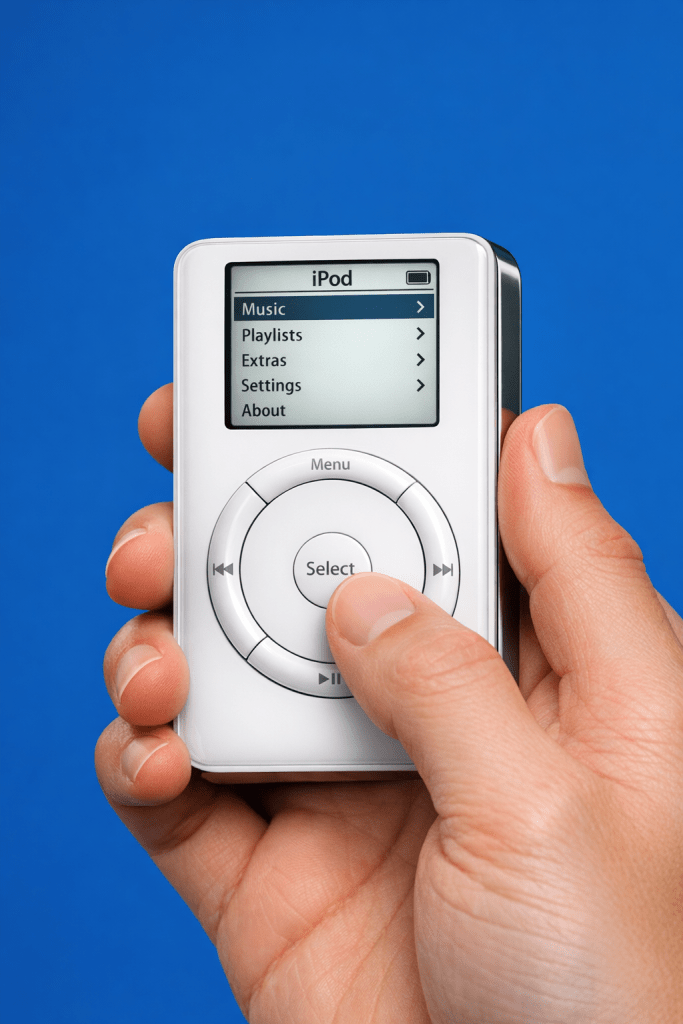
    There was a specific ritual to the mid-2000s. You’d sit at a desktop computer, plug in a white proprietary cable, open Apple iTunes and wait for “Syncing…” to flash across a tiny screen.

    Today, we “stream” everything. We have 80 million songs available at any second, and yet, we spend half our time skipping tracks or being interrupted by an Instagram notification. The second entry in our nostalgia series takes us back to the heavy, stainless-steel brick that taught us how to actually listen: The iPod Classic.

    The Zen of the Click Wheel

    If the BlackBerry was about the “click” of a key, the iPod was about the “whir” of the thumb.

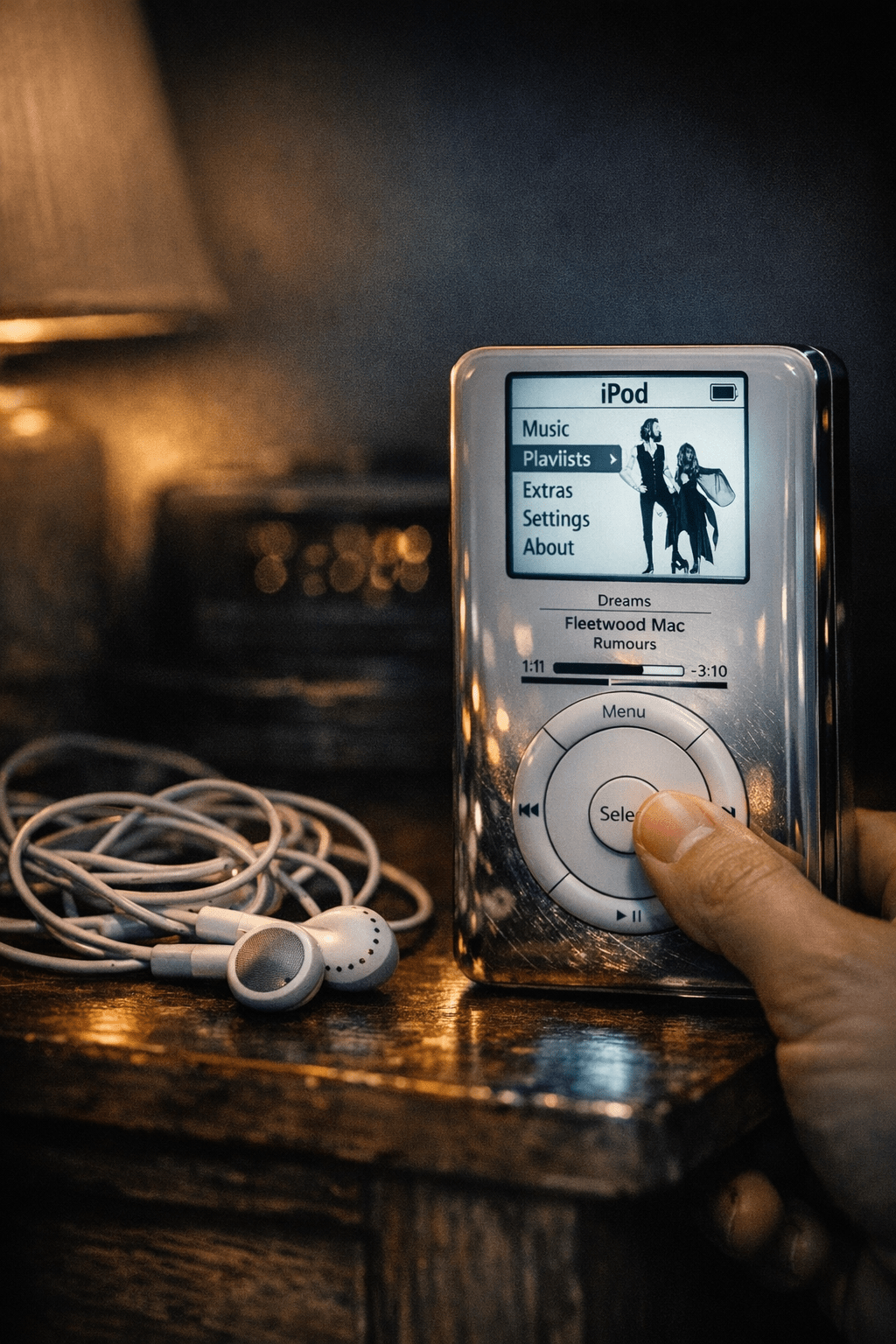
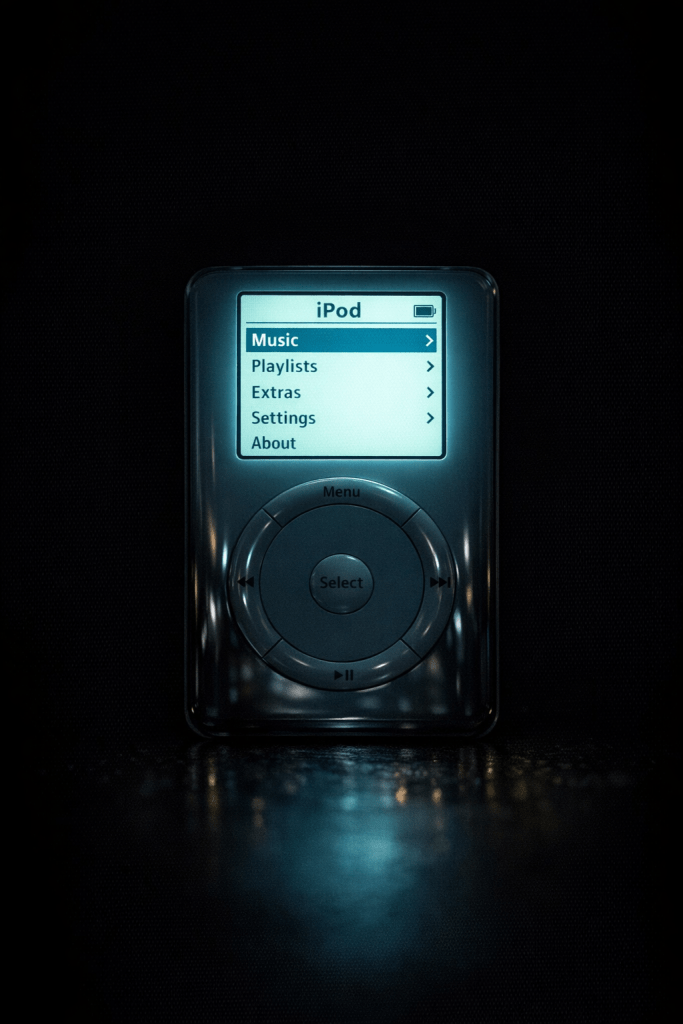
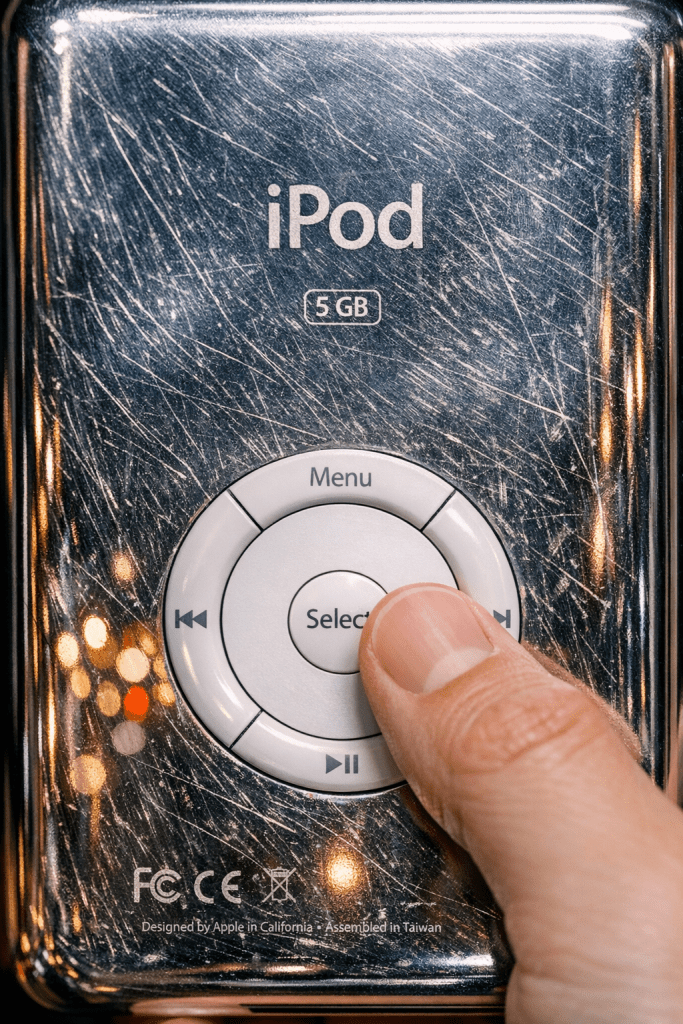
    The Click Wheel remains, in my humble opinion, the most perfect user interface ever designed. It was intuitive. It was tactile. You could navigate from Abba to ZZ Top with a single, circular motion without ever taking the device out of your pocket.

    There was a weight to it—a literal mechanical spinning of a hard drive that you could feel in your palm. It didn’t want to show you ads. It didn’t want to track your location. It just wanted to play your favorite album, start to finish, until the battery gave up.
    Ownership vs. Access

    To the “Spotify Generation,” the idea of owning music feels almost archaic. But there was a pride in a curated iPod library. Every song on that device was a choice. You ripped CDs, you meticulously tagged the metadata, and you hunted for the perfect high-res album art.

    Your iPod wasn’t just a player; it was a digital diary of your taste. When you handed your white earbuds to a friend to hear a new track, you were sharing a piece of your identity. Now, music is a utility—like water or electricity. Then, it was a possession.

    Lost in Translation: The Death of the “Deep Listen”
    The tragedy of the modern smartphone is that it never lets you be alone with your thoughts.

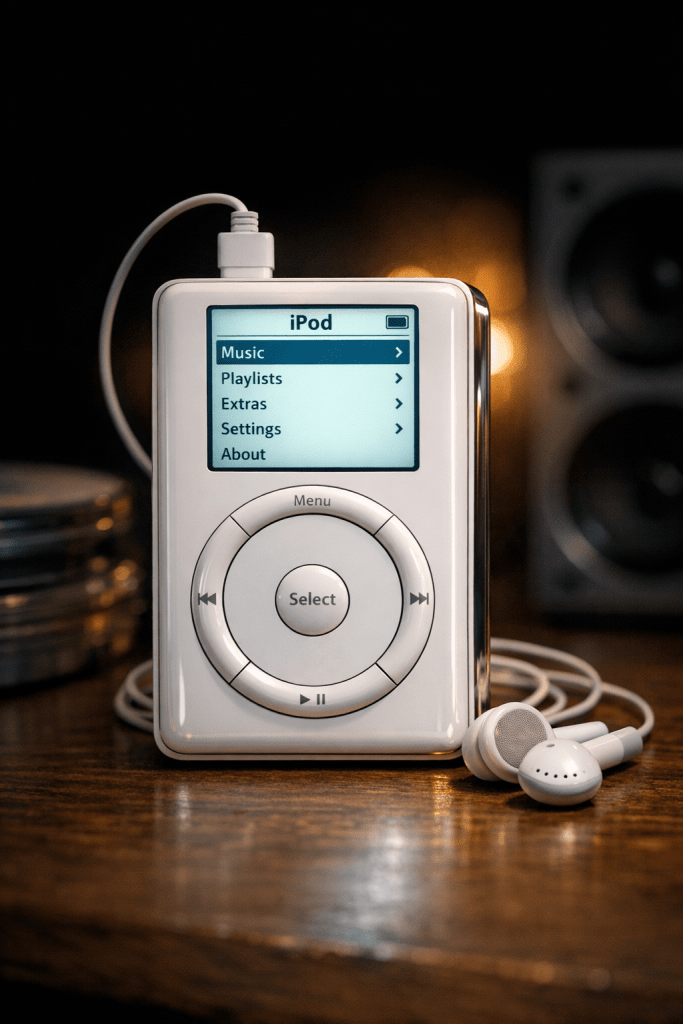
    The iPod Classic was a fortress of solitude. When you put those earbuds in, the world disappeared. There were no “likes,” no “comments,” and no “breaking news” banners sliding down to ruin the bridge of your favourite song.
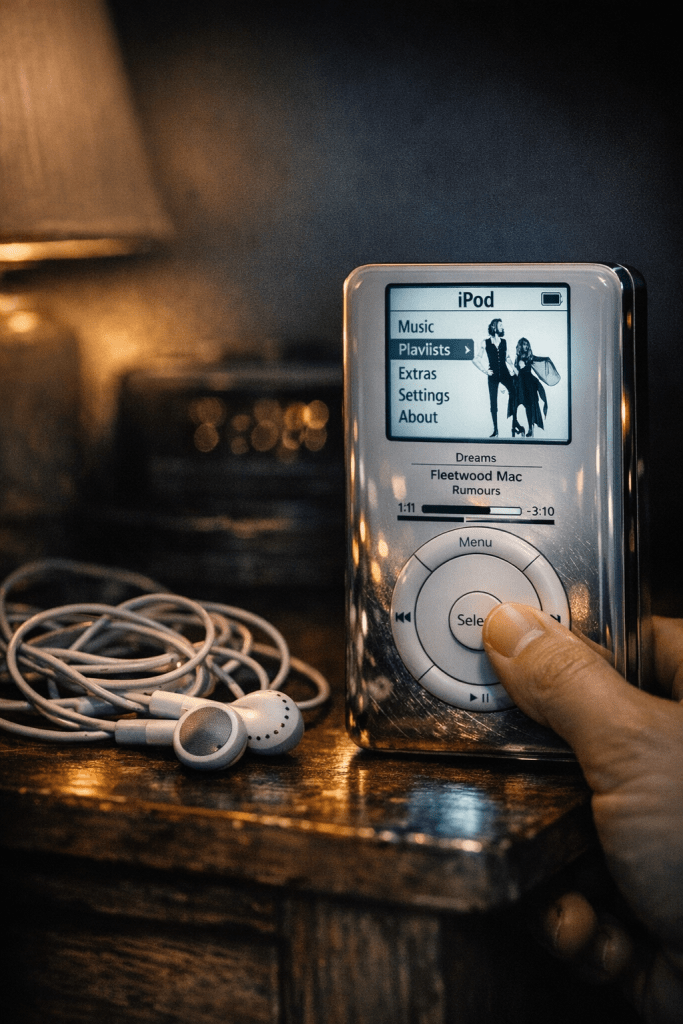
    We’ve traded that focus for convenience. We’ve traded the 160GB hard drive for a “cloud” that we don’t own. Looking back at the iPod today, it feels less like an old gadget and more like a reminder of a time when we weren’t “users”—we were just listeners.

    The Click Wheel is silent now, but the way it made us feel about our music? That’s a frequency we’re still trying to tune back into.

  • Kaleidoscope: The Lost Status Symbol: Why Your Smartphone Still Owes Everything to the Blackberry.

    Kaleidoscope: The Lost Status Symbol: Why Your Smartphone Still Owes Everything to the Blackberry.

    The Status Symbol…Your Thumbs will Never Forget.

    If you’re under 25, a smartphone is basically an extra limb. It’s your TV, your bank, and your social life. But you’ll never quite get to understand what a phone meant in 2007.

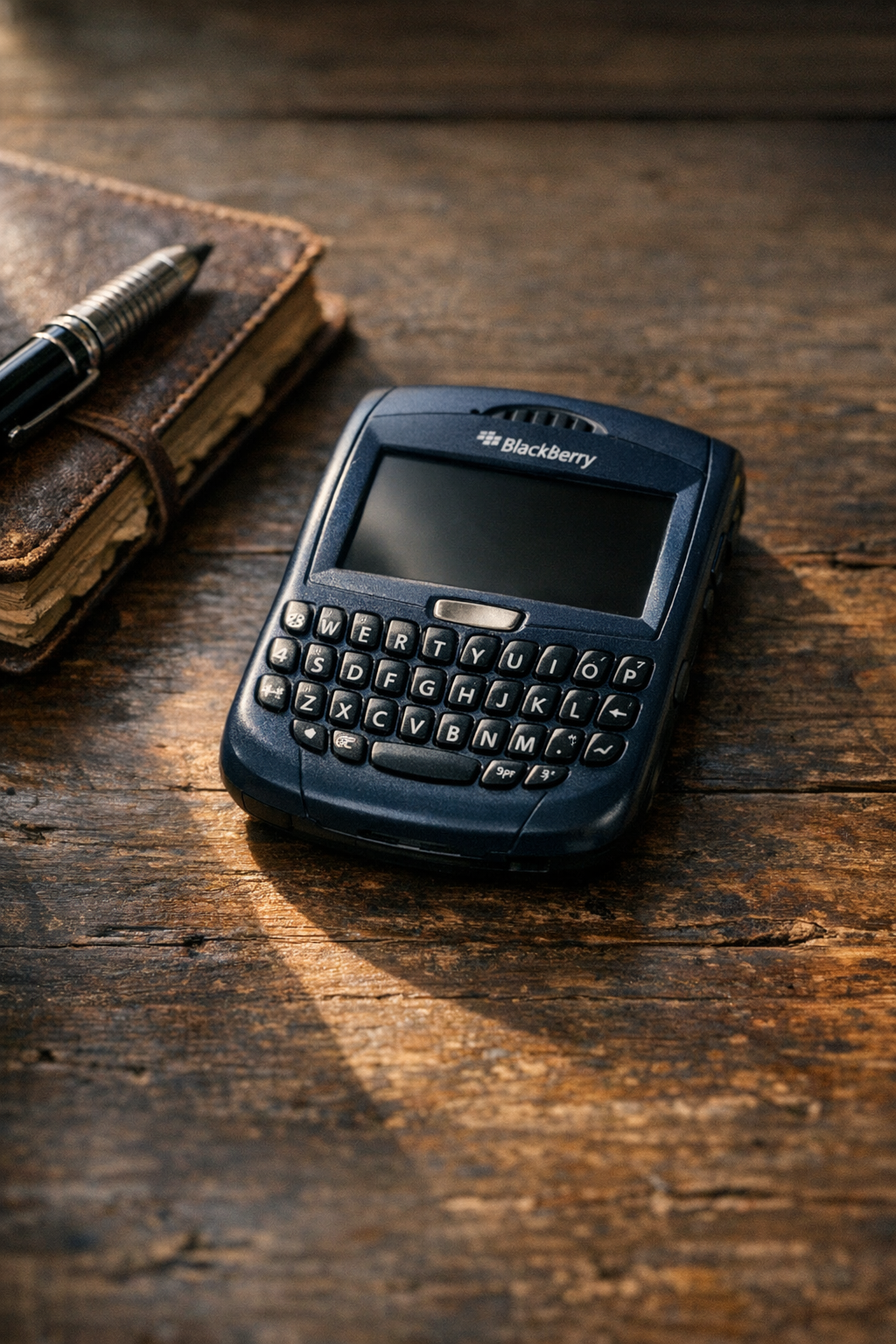
    Back then, owning a BlackBerry wasn’t about having a “device.” It was about having arrived. It was the ultimate “I’m busy, I’m important, and I’m connected” flag. We’re kicking off this nostalgia series with the king of the boardroom: the CrackBerry.

    I am beginning a new series KALEIDOSCOPE dedicated to the lost relics of nostalgia, and there is only one place to start: the magnificent, unrivalled “BlackBerry.” This is the story of Research In Motion (RIM) and the tiny device that defined corporate status, hooked a generation, and established the blueprint for modern communication, only to be left behind.

    The “Click” That Built Empires.

    Modern screens are glass—cold, flat, and personality-free. The BlackBerry was tactile. It had soul.

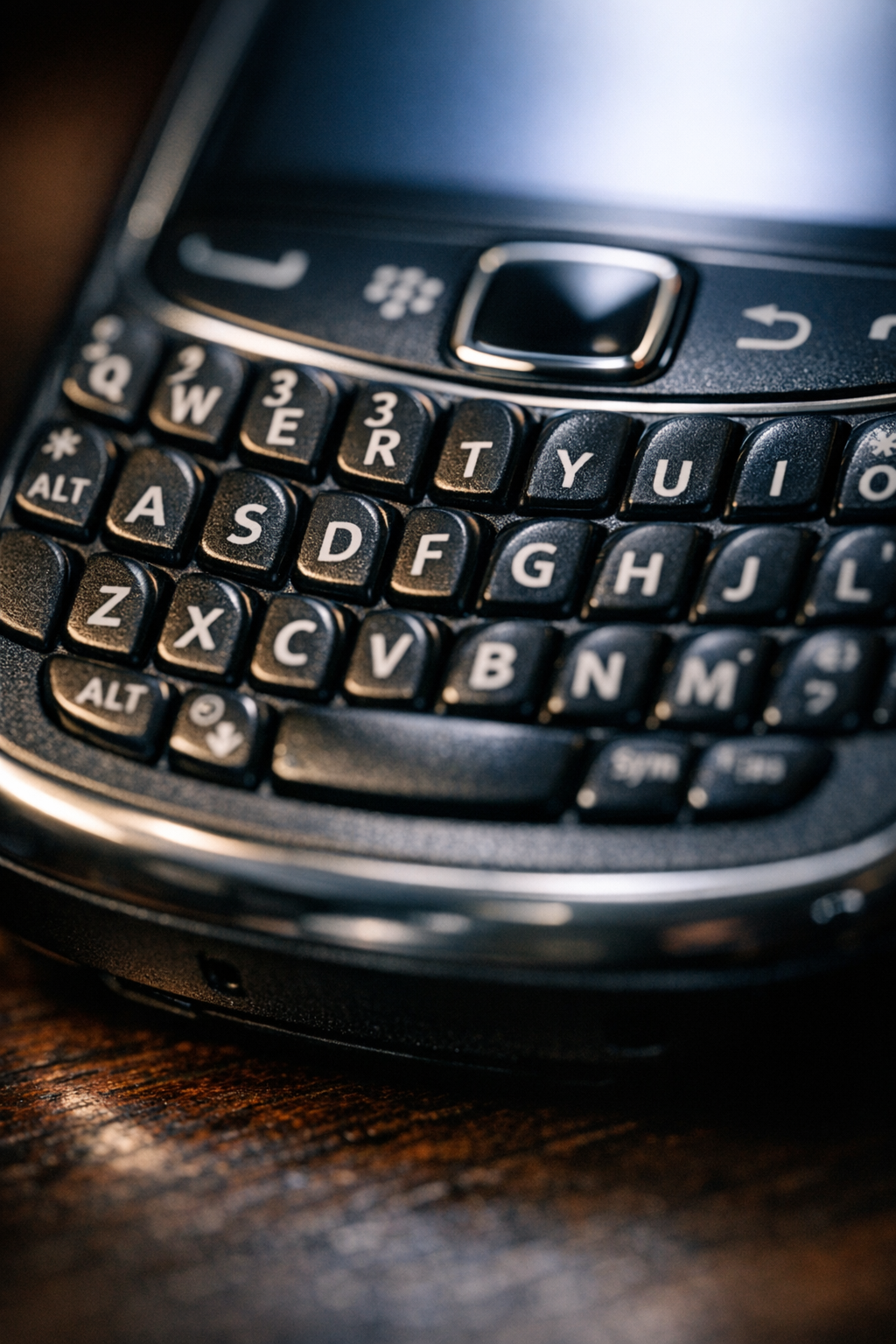
    Those tiny, slanted QWERTY keys weren’t just for typing; they were for working. There was a specific, mechanical “click” that provided a hit of dopamine every time you fired off a response. You didn’t just tap a screen; you engaged with a machine. You could type a three-paragraph email while walking through an Airport without looking down once. It was ergonomic perfection that modern touchscreens still haven’t touched.

    The Red Blinking Light

    If you knew, you knew. That little red LED in the corner was the heartbeat of the corporate world.

    Before the chaos of WhatsApp etc, we had the “Hallmark” of communication: the BlackBerry Internet Service (BIS). It was seamless. Emails didn’t just “arrive”; they were pushed to you instantly, encrypted and reliable. When that red light blinked, it meant someone needed you. It meant you were in the loop. It was a status symbol that demanded attention, yet offered a strange sense of security.

    Why We Cannot Go Back.

    To a generation raised on “swipe to unlock,” the BlackBerry would look like a calculator from a bygone era. It’s hard to translate that feeling of holding a device that didn’t want to entertain you—it wanted to help you conquer the day.

    The Relic.

    It was a tool for creators and leaders, not just consumers. As the world moved toward video and endless scrolling, the BlackBerry became a beautiful relic. We traded that satisfying physical click for a vibration motor, and that rock-solid reliability for “touches & swipes.”

    The BlackBerry is gone, but for those of us who lived through the era of the blinking red light, it remains the unsurpassable peak of practical tech.