
Tag: #Happiness

  • Timeless Life Lessons from Paulo Coelho’s “The Alchemist”

    Timeless Life Lessons from Paulo Coelho’s “The Alchemist”

    Paulo Coelho’s masterpiece “The Alchemist” isn’t just a tale about a shepherd boy’s journey to find treasure—it’s a profound meditation on life’s most essential truths. While the story follows Santiago’s physical journey from Spain to the Egyptian pyramids, the real treasure lies in the spiritual and philosophical insights woven throughout this enchanting narrative.

    Beyond Toxic Positivity: Authentic Optimism.

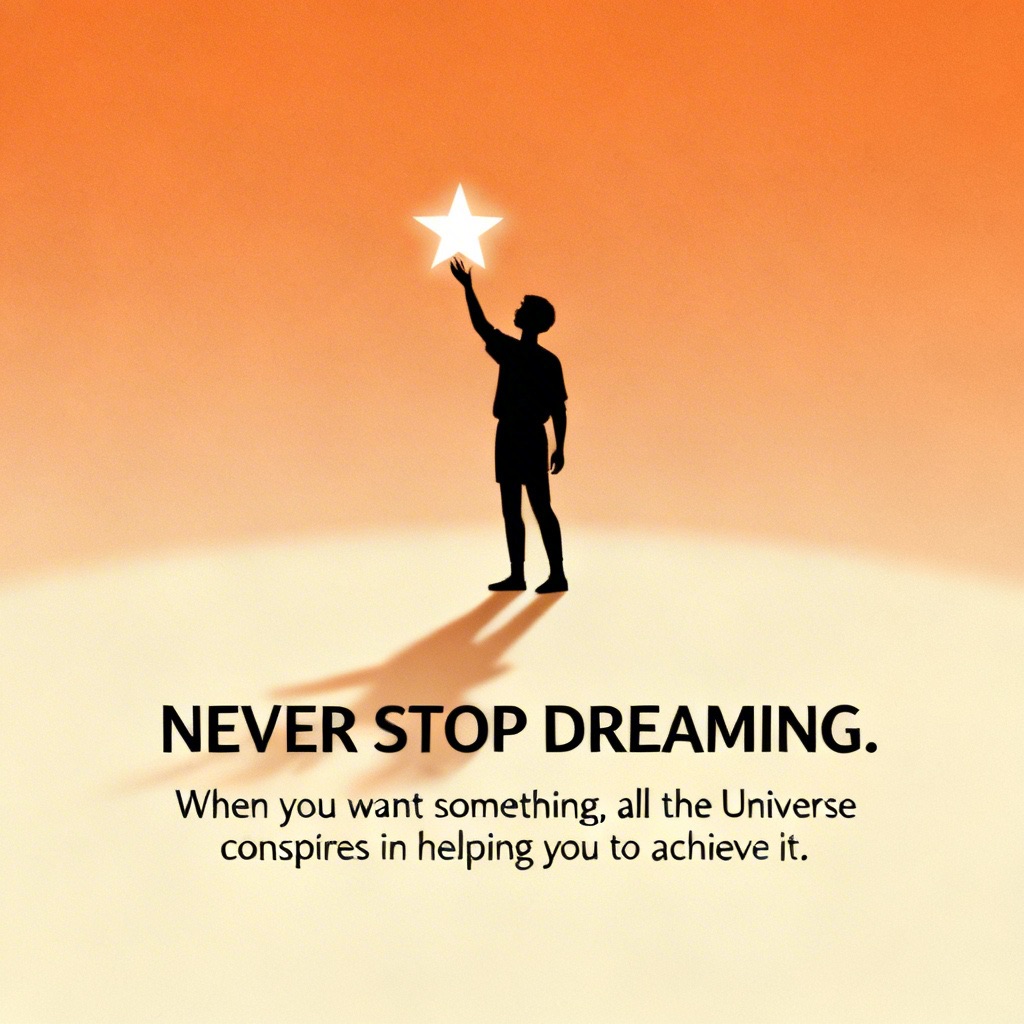
    One of the most misunderstood aspects of “The Alchemist” is its famous quote: “When you want something, all the universe conspires in helping you to achieve it.” On the surface, this might sound like toxic positivity—the dangerous belief that positive thinking alone guarantees success.

    However, Coelho’s execution reveals something far more nuanced. Santiago doesn’t simply wish his way to success. Instead, he:

    Takes calculated risks after careful consideration.

    Embraces uncertainty and learns from setbacks.

    Balances dreams with practical action.

    Accepts help when it arrives but remains prepared to act.

    Acknowledges negative emotions as part of the journey.

    This authentic approach to pursuing dreams makes the novel’s wisdom genuinely applicable to real life.

    The Personal Legend: Your Unique Purpose.

    What Is a Personal Legend?

    Coelho introduces the concept of a “Personal Legend”—essentially your life’s true calling or purpose. It’s described as:

    “God’s blessing, the path that God chose for you here on Earth. Whenever we do something that fills us with enthusiasm, we are following our legend.”

    The Four Universal ObstaclesUnfortunately, most people never pursue their Personal Legend due to four predictable obstacles:

    1. Childhood Conditioning

    From early age, we’re told our dreams are “impossible.” Years of accumulated prejudice, fear, and guilt bury our true calling so deep it becomes invisible—though it never truly disappears.

    2. Fear of Hurting Others

    We worry about abandoning responsibilities or disappointing loved ones. However, genuine love supports our authentic journey—those who truly care want us to be happy and fulfilled.

    3. Fear of Failure

    Pursuing our dreams means we can’t fall back on the excuse “I didn’t really want it anyway.” This vulnerability makes potential failure more painful, but also makes success more meaningful.

    4. Fear of Success

    Once we overcome defeats and near our goal, we may fear we’re unworthy of our dreams or that achieving them will change us in unwanted ways.

    Universal Truths from Santiago’s Journey

    The World’s Greatest Lie.

    “At a certain point in our lives, we lose control of what’s happening to us, and our lives become controlled by fate.”

    Truth: We always retain the power to choose our response to circumstances. While we can’t control everything that happens, we can control our decisions and actions.

    The Language of the Universe.

    The novel reveals that enthusiasm, love, and intuition form a universal language that transcends cultural and linguistic barriers. When we align with our authentic purpose, we tap into this deeper communication.

    The Principle of Favourability.

    When we first attempt something aligned with our Personal Legend, we often experience beginner’s luck.

    —a taste of success that whets our appetite for more. This isn’t coincidence but the universe’s way of encouraging us forward.

    Present-Moment Awareness.

    “I’m interested only in the present. If you can concentrate always on the present, you’ll be a happy man.”

    True fulfilment comes from full engagement with the current moment, not dwelling in past regrets or future anxieties.

    Practical Wisdom for Modern Life.

    Listen to Your Heart

    Your heart knows your true desires and can guide you toward your Personal Legend. However, learning its language requires practice and trust.

    Embrace the Journey

    The secret of life is to fall seven times and get up eight times.

    Defeats aren’t obstacles—they’re necessary parts of growth that prepare us for success. Each setback teaches valuable lessons and builds resilience.

    Recognize Daily Miracles

    “When each day is the same as the next, it’s because people fail to recognize the good things that happen in their lives every day that the sun rises.”

    Cultivating gratitude and awareness transforms ordinary moments into extraordinary ones.

    The Paradox of Seeking

    Sometimes what we seek externally already exists within us. Santiago’s treasure hunt ultimately leads him back to where he started, but with newfound wisdom and self-awareness.

    The Alchemy of Transformation

    The true “alchemy” in Coelho’s novel isn’t turning metal into gold—it’s the transformation of an ordinary person into someone who fully realizes their potential. This transformation requires:

    • Courage to leave comfort zones.
    • Faith in the journey despite uncertainty.
    • Persistence through inevitable challenges.
    • Wisdom to recognise opportunities and omens.
    • Love for oneself and the process.

    Why “The Alchemist” Endures.

    Despite its simple prose and fantastical elements, “The Alchemist” continues to resonate with millions because it addresses universal human experiences:• The tension between security and adventure.

    • The challenge of maintaining faith during difficulties

    • The importance of following authentic desires

    • The role of mentors and guides in personal growth

    • The realisation that the journey often matters more than the destination

    Your Personal Takeaway

    “The Alchemist” ultimately asks each reader a fundamental question:

    What is your Personal Legend, and what’s preventing you from pursuing it?

    The novel suggests that everyone has a unique purpose that, when pursued with authenticity and persistence, creates a life of meaning and fulfilment. The treasure Santiago seeks—and the treasure we all seek—isn’t material wealth but the deep satisfaction of becoming who we’re meant to be.

    Whether you’re contemplating a career change, pursuing a creative passion, or simply seeking more meaning in daily life, Santiago’s journey offers both inspiration and practical wisdom. The universe may indeed conspire to help those who pursue their authentic path—but only when that pursuit is backed by genuine commitment, courageous action, and the willingness to grow through whatever challenges arise.

    What treasure are you seeking, and what’s your next step toward finding it?

    “It’s the simple things in life that are the most extraordinary.”

  • Breaking Free: How to Reclaim Your Life from Social Media and Smartphone Addiction.

    Breaking Free: How to Reclaim Your Life from Social Media and Smartphone Addiction.

    In an era where the average person checks their phone 96 times per day, we’ve crossed a threshold from digital convenience to digital dependency. What started as tools to enhance our lives has become invisible chains that bind our attention, fragment our focus, and quietly erode our mental well-being.

    The Hidden Epidemic: Understanding Digital Addiction.

    What Social Media and Smartphone Addiction Really Looks Like Digital addiction isn’t just about spending “too much time” on your phone. It’s a complex behavioural pattern characterised by:

    Compulsive checking even when you know there won’t be new notifications.

    Phantom vibration syndrome – feeling your phone buzz when it hasn’t.

    FOMO (Fear of Missing Out) driving constant social media scrolling.

    Withdrawal anxiety when separated from your device.

    Sleep disruption from late-night scrolling or blue light exposure.

    Decreased face-to-face social skills and preference for digital interaction.

    How many of the above points resonates with you?

    This addiction operates on the same dopamine reward pathways as gambling, creating a cycle where each notification, like, or comment triggers a small hit of pleasure that keeps us coming back for more. We post something and then keep coming back to check the status. We even have the notifications on and every ping distracts us to divert our attention.

    I grew up in an era when there were no Mobile Phones. Yet we survived and had better more meaningful relations with our friends & family. If we had to meet someone a physical visit was the only means or a voice call via telephone. All that has changed. Now all we do is use the “convenience” of the Smart Phone. Every Birthday wish, every anniversary greetings and any other activity was a meet and greet affair.

    How Digital Addiction Is Rewiring Our Brains.

    The Neuroscience Behind the Compulsion.

    Social media platforms and smartphones are engineered using principles from behavioral psychology to maximize engagement – a euphemism for addiction. Here’s what happens in your brain:

    1. Dopamine hijacking: Each notification triggers dopamine release, the same neurotransmitter involved in substance addiction.

    2. Attention residue: Task-switching between phone and real life leaves cognitive “residue” that impairs focus.

    3. Shortened attention spans: Constant stimulation rewires neural pathways, making sustained concentration increasingly difficult.

    4. Social comparison overdrive: Endless exposure to curated content triggers unhealthy social comparison and inadequacy feelings.

    The Immediate Impact on Daily Life.

    Productivity Destruction:

    – Average knowledge worker checks email every 6 minutes.

    – It takes 23 minutes to fully refocus after a digital interruption.

    – Multitasking with devices reduces work quality by up to 40%.

    Relationship Erosion:

    – “Phubbing” (phone snubbing) damages intimate relationships.

    – Decreased empathy from reduced face-to-face interaction.

    – Family dinners interrupted by devices become disconnected experiences.

    Mental Health Deterioration:

    – Increased anxiety, depression, and loneliness despite being more “connected”.

    – Sleep disorders from blue light and late-night scrolling.

    – Decision fatigue from information overload.

    The Long-Term Consequences: What We’re Really Risking.

    Cognitive and Neurological Effects.

    Attention Deficit Normalisation:

    Years of rapid context-switching train your brain to crave constant stimulation. This leads to:

    – Difficulty with deep reading and complex thinking.

    – Increased distractibility that persists even when devices are absent.

    – Reduced capacity for boredom – a crucial state for creativity and reflection.

    Memory Formation Disruption:

    – External digital memory reduces internal memory consolidation.

    – “Google effect” where we remember where to find information rather than the information itself.

    – Decreased autobiographical memory formation due to constant documentation vs. experiencing.

    Social and Emotional Development.

    Empathy Erosion:

    – Reduced face-to-face interaction impairs emotional intelligence development.

    – Decreased ability to read non-verbal cues and emotional nuance.

    – Increased tolerance for online cruelty and decreased real-world social skills.

    Identity Fragmentation:

    – Constant curation of online personas disconnects us from authentic self.

    – Validation-seeking becomes external rather than internal.

    – Comparison culture breeds chronic dissatisfaction.

    Physical Health Impacts.

    Postural and Motor Issues:

    – “Text neck” leading to chronic cervical spine problems.

    – Repetitive strain injuries from excessive typing and swiping.

    – Reduced fine motor skills in children who primarily interact through touchscreens.

    Sleep and Circadian Disruption:

    – Blue light exposure disrupts melatonin production.

    – Hyper-vigilance from constant connectivity disrupts parasympathetic nervous system.

    – Chronic sleep deprivation leading to immune system compromise.

    The Path Back to Sanity: A Comprehensive Recovery Plan

    Phase 1: Digital Detox and Awareness Building (Weeks 1-2)

    Immediate Actions:

    1. Conduct a digital audit.

    – Use screen time tracking apps to establish baseline usage.

    – Log emotional states before and after phone use for one week.

    – Identify your most problematic apps and times of day.

    2. Create physical barriers.

    – Remove phones from bedrooms – use analog alarm clocks.

    – Establish “phone parking” areas in your home.

    – Use app timers and website blockers during focused work.

    3. Replace digital habits with analog alternatives.

    – Physical books instead of e-readers.

    – Paper notebooks for thinking and planning.

    – Analog watches to reduce phone checking for time.

    Phase 2: Mindful Reintegration (Weeks 3-6)

    Structured Digital Diet:

    1. Implement the “Phone Fast” schedule-No phones for first 60 minutes after waking.

    – 2-hour digital sunset before bedtime.

    – One full day per week completely offline.

    2. Curate your digital environment.

    – Unfollow accounts that trigger comparison or negativity.

    – Use “dumb” versions of necessary apps (web versions vs. native apps).

    – Remove all apps that don’t serve a specific, intentional purpose.

    3. Practice “Mono-tasking

    – One screen at a time maximum.

    – Complete focus on single activities for 25-minute intervals (Pomodoro Technique).

    – No background audio/video while working or eating.

    Phase 3: Building Analog Resilience (Weeks 7-12).

    Developing Non-Digital Coping Mechanisms:

    1. Cultivation practices.

    – Daily meditation or mindfulness practice (start with 5 minutes).

    – Regular exercise without music/podcasts – embrace movement meditation.

    – Engage in creative hobbies that require sustained attention (drawing, musical instruments, crafting).

    2. Social re-engagement

    – Schedule regular phone calls instead of texting.

    – Organize device-free social activities.

    – Join clubs or classes that require in-person participation.

    3. Intellectual restoration.

    – Read physical books for 30+ minutes daily.

    – Engage with long-form content (documentaries, academic papers, literature).

    – Practice writing by hand to slow thinking and improve retention.

    Advanced Strategies for Long-Term Success.

    Environmental Design.

    Create friction for digital consumption:

    – Keep phones in other rooms during work and meals.

    – Log out of social media accounts after each use.

    – Use grayscale phone settings to reduce visual appeal.

    Design ease for analog activities:

    – Keep books visible and accessible.

    – Have musical instruments or art supplies readily available.

    – Create comfortable spaces for conversation and reflection.

    Social Support Systems.

    Community accountability:

    – Join digital wellness groups or create accountability partnerships.

    – Communicate your goals with family and friends.

    – Reduced compulsive checking behaviors

    – Model healthy behavior for children and peers.

    Professional support when needed:

    – Consider therapy for severe addiction or underlying mental health issues.

    – Explore digital wellness coaching.

    – Participate in group therapy or support groups for technology addiction.

    Technology as Tool, Not Master.

    Intentional technology use:

    – Define specific purposes before picking up devices.

    – Set daily intention for technology use.

    – Regular “digital decluttering” sessions to remove unnecessary apps and accounts.

    What to Expect: The Recovery Timeline.

    Week 1-2: The Withdrawal Phase.

    – Increased anxiety and restlessness.

    – Boredom and feeling “disconnected”.

    – Phantom vibration syndrome.

    – This is normal and temporary.

    Week 3-6: Adaptation Period.

    – Improved sleep quality.

    – Increased attention span during reading.

    – Better presence during conversations.

    Month 2-3: Neuroplasticity Recovery.

    – Significantly improved focus and concentration.

    – Increased creativity and problem-solving ability.

    – Better emotional regulation.

    – Enhanced real-world social connections.

    Month 3+: The New Normal.

    – Technology becomes a tool rather than a compulsion

    – Increased life satisfaction and presence

    – Improved mental health metrics

    – Better physical health and posture

    The Future: Building a Healthier Digital Society.

    Individual Responsibility.

    Your personal journey toward digital wellness isn’t just about your own well-being – it’s about modeling healthy behavior for family, friends, and colleagues. Every person who chooses intentional technology use creates ripple effects in their community.

    Collective Action

    We need broader societal shifts:

    – Education about digital wellness in schools.

    – Workplace policies that respect attention and presence.

    – Technology design that prioritizes user well-being over engagement.

    – Cultural norms that value deep work and present-moment awareness.

    Remember: You Have More Power Than You Think.

    The technology companies have spent billions of dollars and employed teams of neuroscientists and behavioural psychologists to capture your attention. But you have something they don’t: conscious choice and the ability to change.

    Every moment you choose presence over distraction, deep work over shallow browsing, or real connection over digital validation, you’re rewiring your brain toward greater well-being and authentic living.

    The goal isn’t to become a digital hermit – it’s to use technology intentionally, as a tool that serves your highest purposes rather than a master that controls your attention and time.

    Start small. Be patient with yourself. And remember that reclaiming your attention is perhaps the most important act of self-care you can perform in the 21st century.

    Your authentic life is waiting on the other side of that screen. The question isn’t whether you can break free from digital addiction – it’s whether you’re ready to choose presence, depth, and real connection over the illusion of digital fulfilment. It is difficult, but not impossible.

  • The Mind’s Loop: How Overthinking Transforms Challenges into Monsters.

    The Mind’s Loop: How Overthinking Transforms Challenges into Monsters.

    Have you ever noticed how a small worry can snowball into an avalanche of anxiety in your mind? One moment you’re facing a manageable challenge, and the next, you’re trapped in a mental cinema playing every possible disaster scenario on repeat. This phenomenon—letting our minds wander into negative territories—is more common than we’d like to admit, and it’s time we understood why it happens and how to break free from its grip.

    The Anatomy of Mental Spirals.

    When we encounter a problem or uncertainty, our brains naturally try to solve it. This evolutionary trait once helped our ancestors survive by anticipating threats. However, in our modern world, this same mechanism can work against us. Instead of productive problem-solving, we often find ourselves caught in what psychologists call “rumination”—repetitive, negative thinking that amplifies rather than resolves our concerns.

    How Overthinking Distorts Reality.

    Consider this: you have a presentation next week. A healthy amount of preparation is beneficial, but overthinking transforms this simple task into a catastrophe. Your mind begins scripting scenarios:

    – “What if I forget my lines?”

    – “What if they ask questions I can’t answer?”

    – “What if my technology fails?”

    – “What if everyone thinks I’m incompetent?”

    Each “what if” feeds the next, creating an elaborate narrative of failure that exists nowhere but in your imagination. The presentation hasn’t happened yet, but you’re already experiencing the stress, anxiety, and defeat as if it were real.

    The Hidden Cost of Negative Mental Loops.

    When we allow these thought patterns to persist, we pay a price that extends far beyond the original concern:

    • Emotional Exhaustion: Constantly running worst-case scenarios drains our mental and emotional resources, leaving us feeling depleted before we even face the actual challenge.
    • Paralysis by Analysis: Overthinking often leads to inaction. We become so focused on everything that could go wrong that we fail to take the steps necessary to ensure things go right.
    • Present-Moment Blindness: While our minds are busy painting dark futures, we miss the beauty, opportunities, and joy available in our current reality.
    • Self-Fulfilling Prophecies: When we’re convinced of failure, we unconsciously behave in ways that increase its likelihood—a phenomenon that reinforces our negative beliefs.

    The Probability Paradox.

    Here’s the remarkable truth: most of what we worry about never actually happens. Research suggests that approximately 85% of what we worry about has positive or neutral outcomes. Even when challenges do arise, we typically handle them better than we anticipated.

    Yet our brains persist in this pattern because anxiety feels productive. It tricks us into believing that by worrying, we’re somehow preparing for or preventing negative outcomes. In reality, we’re simply rehearsing stress.

    Breaking the Loop: A Different Approach.

    The solution isn’t to stop thinking altogether—that’s neither possible nor desirable. Instead, we need to develop awareness of when our minds are wandering into unproductive territory and gently redirect them.

    1. Recognize the Pattern.

    The first step is awareness. Notice when you’re spiraling into negative scenarios. Ask yourself:

    – Is this thinking helping me solve the problem?

    – Am I focusing on what could go wrong rather than what could go right?

    – Am I treating imaginary scenarios as if they were facts?

    2. Challenge the Narrative.

    When you catch yourself catastrophizing, pause and question the story your mind is telling:

    – What evidence do I have that this worst-case scenario will happen?

    – Have I faced similar situations before? How did they actually turn out?

    – What’s the most likely outcome, not the most feared one?

    3. Redirect Your Mental Energy.

    Instead of feeding the negative loop, consciously shift your focus:

    – What can I do today to prepare for this situation?

    – What resources and strengths do I have available?- What positive outcomes are possible?

    Giving Your Mind Permission to Rest.

    Sometimes the most productive thing you can do is nothing at all. Our culture often celebrates constant mental activity, but periods of mental rest are crucial for clarity and creativity. When you feel stuck in overthinking:

    • Practice Mindful Breaks: Step away from the problem entirely. Take a walk, listen to music, or engage in an activity that brings you joy.
    • Trust the Process: Often, when we stop forcing solutions, they appear naturally. Your subconscious continues working on problems even when your conscious mind is at rest.
    • Set Thinking Boundaries: Designate specific times for problem-solving and stick to them. Outside these windows, gently redirect your attention to the present moment.

    The Promise of Tomorrow.

    Here’s a beautiful truth worth remembering: the future holds experiences of joy, growth, and success that you haven’t even imagined yet. When you paint your present with the dark colors of imaginary failures, you rob yourself of the anticipation and hope that make life vibrant.

    Your challenges are real, but they’re also temporary and solvable. The scenarios playing in your mind are fictional, but the anxiety they create is robbing you of peace in the here and now.

    Moving Forward with Intention.

    As you navigate the days ahead, remember that your mind is a powerful tool—but like any tool, it works best when directed with intention rather than allowed to run wild. When doubts arise, acknowledge them without judgment, then choose to focus on what you can control and influence.

    The ideas, solutions, and inspiration you need will come. They always do. But they’re more likely to arrive when your mind is calm, open, and focused on possibility rather than catastrophe.

    Your present moment is happening now, unrepeatable and full of potential. Don’t let imaginary tomorrows steal the gift of today.

    Remember: You are more resilient than you think, more capable than you fear, and more deserving of peace than your worried mind would have you believe.

    #PersonalDevelopment #Leadership #Mindset #Success #Mindfulness

  • The Gratitude Revolution: How one simple shift can transform your entire reality.

    The Hidden Crisis of Modern Dissatisfaction.

    We live in an age of unprecedented abundance, yet dissatisfaction has become our default state. Walk into any workplace, scroll through social media, or listen to casual conversations—the pattern is unmistakable: we’ve become experts at focusing on what’s wrong rather than what’s working.

    This isn’t just pessimism; it’s a dangerous form of self-sabotage that’s literally rewiring our brains for unhappiness.

    The Workplace Gratitude Gap: A 27-Year Observation

    In my two decades as a business owner, I’ve witnessed a troubling phenomenon repeat itself countless times. Employees arrive each morning carrying invisible burdens of resentment:

    -“I hate this job”

    -“This place is the worst”

    -“I can’t wait to get out of here”

    -“My boss doesn’t appreciate me”

    Yet here’s the profound irony: these same individuals depend on this “hated” job to feed their families, pay their mortgages, and fund their dreams. They’re literally biting the hand that feeds them—and wondering why they feel spiritually malnourished.

    The Subconscious Sabotage Cycle

    When we consistently broadcast negative thoughts about our source of income, we create what I call the Subconscious Sabotage Cycle:

    1. Negative manifestation → We focus on what we dislike
    2. Energy contamination → This negativity permeates our entire work experience.
    3. Reality reinforcement → Our subconscious mind finds evidence to support our negative beliefs.
    4. Expanded dissatisfaction → The negativity spreads to other life areas.

    Beyond the Workplace: The Geography of Gratitude

    This gratitude deficit doesn’t stop at office doors. It extends like ripples across every aspect of our lives:

    Our Living Environment

    – Complaining about our neighbourhood instead of appreciating shelter and community.

    – Focusing on traffic and noise rather than accessibility and connection

    Our City and Country

    – Highlighting political failures while ignoring infrastructure, opportunities, and freedom.

    – Taking for granted the safety, systems, and social structures that support our daily lives.

    Each complaint is a small act of self-harm, pushing away the very abundance that surrounds us.

    The Neuroscience of Gratitude: Why This Actually Works

    Gratitude isn’t just feel-good philosophy—it’s backed by compelling science:

    • Neuroplasticity: Regular gratitude practice literally rewires your brain for positivity.
    • Stress reduction: Grateful people show lower cortisol levels and better immune function.
    • Enhanced relationships: Gratitude improves empathy and strengthens social bonds.
    • Improved performance: Grateful employees are more productive and creative.

    When you shift from criticism to appreciation, you’re not just changing your thoughts—you’re changing your biology.

    The Practical Gratitude Revolution: 5 Daily Practices.

    1. The Morning Appreciation Ritual**

    Before checking your phone or emails, identify three specific things you’re grateful for about your upcoming day.

    2. The Work Gratitude Pause

    Instead of joining complaint sessions, ask: “What’s one thing that went well today?” Watch how this simple question transforms conversations.

    3. The Livelihood Blessing

    Each payday, take 60 seconds to acknowledge how your income—regardless of the source—enables your life goals.

    4. The Environment Appreciation

    Once weekly, notice something beautiful or functional in your neighbourhood, city, or country that you previously took for granted.

    5. The Evening Reflection

    Before sleep, mentally review your day for moments of support, kindness, or opportunity you received.

    The Transformation Promise

    Here’s what happens when you consistently practice gratitude:

    • Your work becomes more meaningful because you recognise its role in your larger life purpose.
    • Your relationships improve because you attract and appreciate positive people.
    • Opportunities expand because you notice possibilities instead of problems.
    • Your health improves through reduced stress and increased life satisfaction.
    • Your future brightens because you’re manifesting appreciation instead of lack.

    The Choice That Changes Everything.

    Every morning, you face a fundamental choice: Will you focus on what’s missing or appreciate what’s present? Will you manifest scarcity or abundance?

    Your thoughts are not neutral—they’re creative forces shaping your reality. When you choose gratitude, you’re not just changing your perspective; you’re actively redesigning your destiny.

    The source of your livelihood, the place you call home, the country that provides your opportunities—these aren’t obstacles to your happiness. They’re the foundation upon which your dreams are built.

    Start today. Choose gratitude. Watch your world transform.

  • Happiness

    Happiness is a state of mind, and we alone are responsible for how we can make ourselves happy. We seek answers outside while all the time the answer is glaring at us from within. Ours is essentially a tragic age, so we refuse to take it tragically. The cataclysm has happened, we are among the ruins, we start to build up new little habitats, to have new little hopes. It is rather hard work: there is now no smooth road into the future: but we go round, or scramble over the obstacles. We’ve got to live, no matter how many skies have fallen.”

    Unfortunately, for a majority this truth is revealed quite late, by which time we have already spent a major part of our lives fretting and worrying, about what in the hindsight can be termed as trivial. In fact the secret to success is happiness. Being happy helps us resolve problems in a much better manner and it does improves our thinking. Our brains also function better when we are happy. Happiness starts inside you. Never put your happiness in someone else’s hands. When you take stock of the situation at a later stage in life, one does wonder what was the need for all that fretting and discomfort that we spent the major part of our lives. That is when you start reflecting on What If…